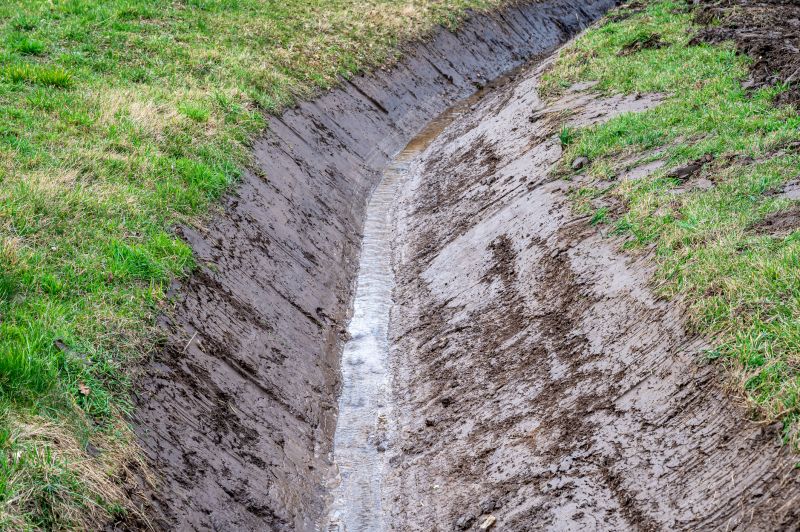
Ditch Digging in Houston, TX
Ditch digging services involve the manual or machine-assisted excavation of narrow trenches or larger holes in residential properties. These services are commonly used for installing or repairing underground utilities such as water lines, sewer pipes, electrical cables, and irrigation systems. Property owners typically request ditch digging when planning new infrastructure projects or maintenance work that requires access beneath the surface, ensuring proper placement and connection of essential systems.
Before requesting ditch digging services, homeowners should consider the location of existing underground utilities to prevent accidental damage. It’s also helpful to have a clear understanding of the project scope, including the desired trench length, depth, and width, as well as any permits or regulations that may apply in the area. Proper planning ensures the work proceeds smoothly and aligns with property needs and local guidelines.
Many property owners in Houston, TX look into Ditch Digging for repairs, replacements, upgrades, and appearance-related improvements.
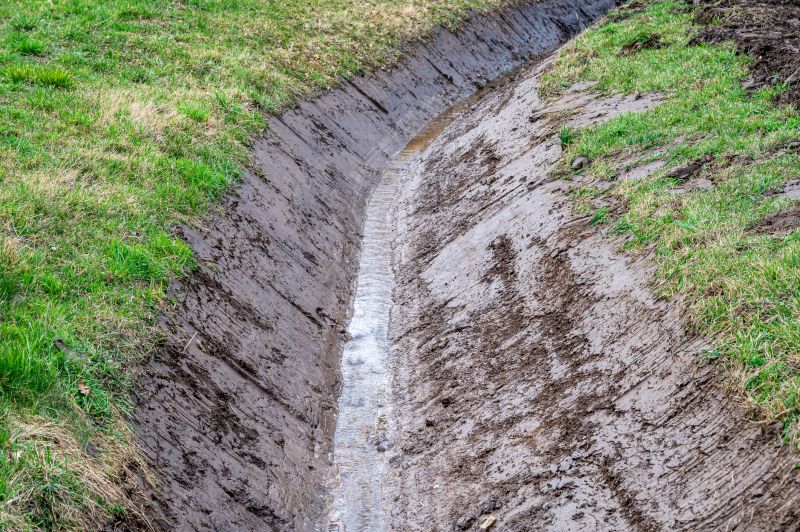
Residential Ditching Projects
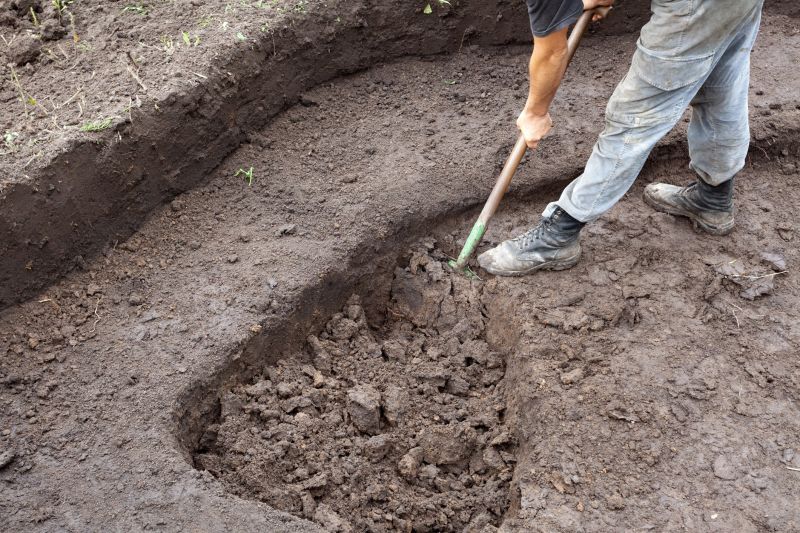
Ditch digging supports drainage systems, irrigation, and landscape improvements for homes in houston.
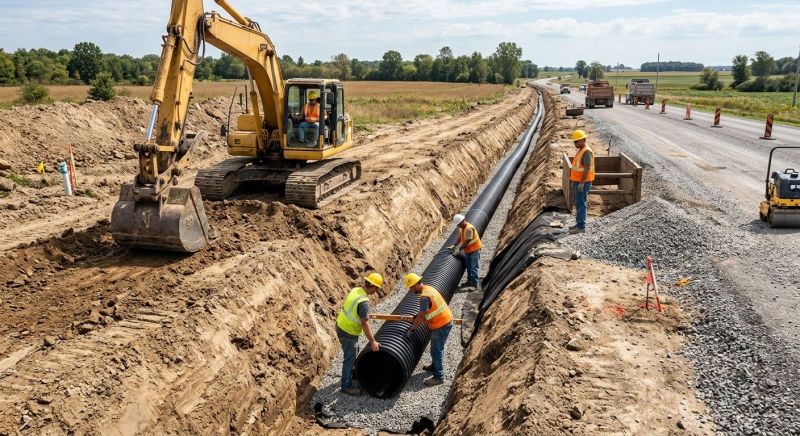
Commercial And Property Development
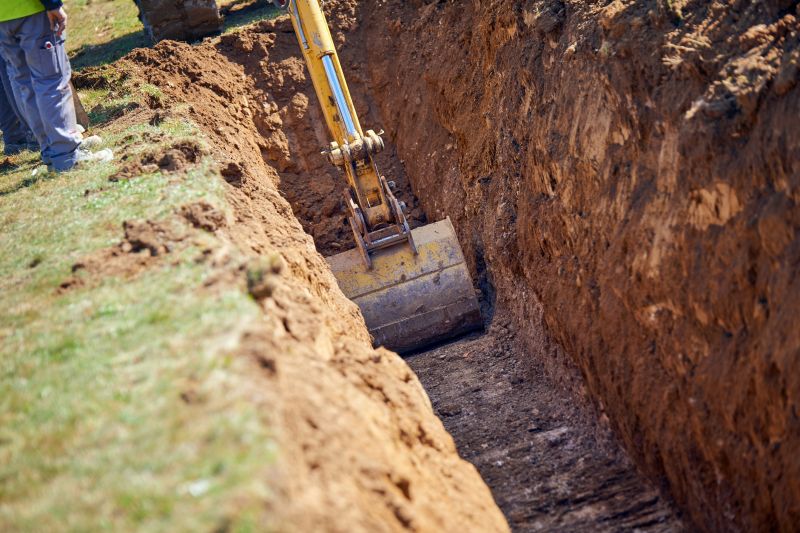
Underground trenches are essential for installing utilities, drainage, and foundation work on commercial sites.
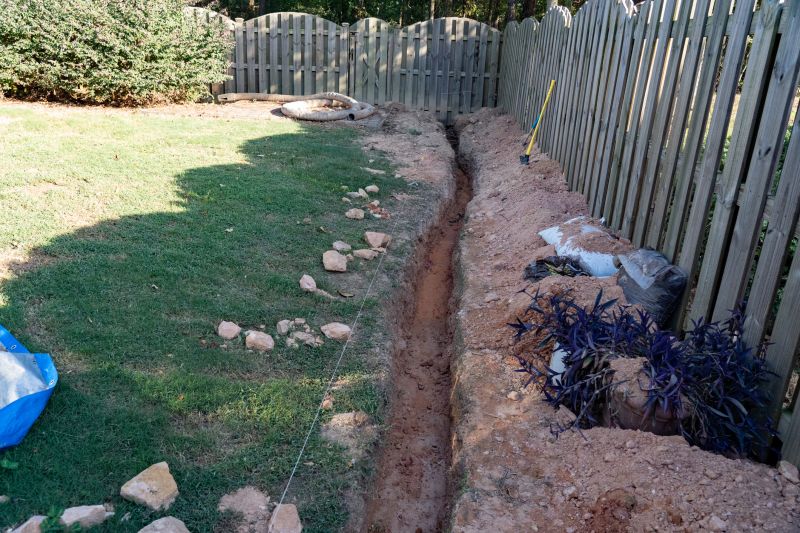
Drainage And Utility Installation
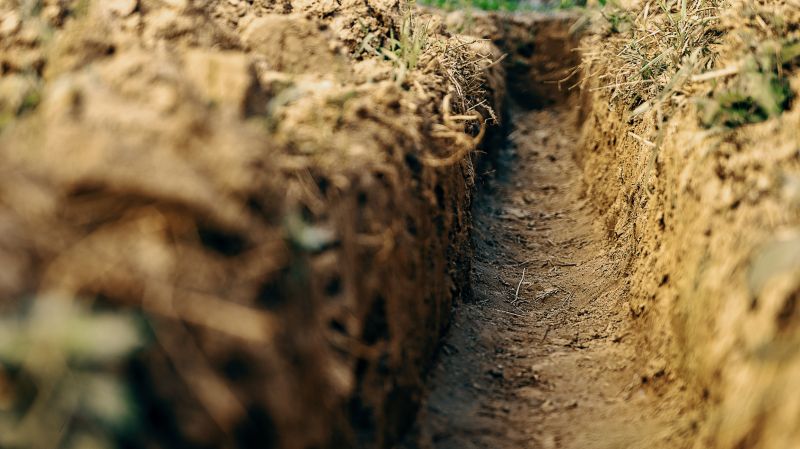
Proper ditching ensures effective water management and utility placement across various property types.
Ditch Digging in Houston, TX

Ditch digging services involve the manual or machine-assisted excavation of narrow trenches or larger holes in residential properties. These services are commonly used for installing or repairing underground utilities such as water lines, sewer pipes, electrical cables, and irrigation systems. Property owners typically request ditch digging when planning new infrastructure projects or maintenance work that requires access beneath the surface, ensuring proper placement and connection of essential systems.
Before requesting ditch digging services, homeowners should consider the location of existing underground utilities to prevent accidental damage. It’s also helpful to have a clear understanding of the project scope, including the desired trench length, depth, and width, as well as any permits or regulations that may apply in the area. Proper planning ensures the work proceeds smoothly and aligns with property needs and local guidelines.
Many property owners in Houston, TX look into Ditch Digging for repairs, replacements, upgrades, and appearance-related improvements.
Common Ditch Digging Jobs
Drainage Installation - trenches are dug to install new drainage systems for proper water flow.
Sewer Line Replacement - existing sewer lines are excavated and replaced to prevent backups.
Foundation Drainage - trenches are created around foundations to improve moisture control.
Irrigation System Installation - underground lines are laid for lawn and garden watering systems.
Utility Line Locating - digging is performed with care to avoid damaging underground utility lines.
Yard Drainage Solutions - trenches are shaped to redirect surface water away from structures.
Ditch Digging Questions
What types of projects require ditch digging services? Ditch digging is commonly used for installing drainage systems, utility lines, irrigation channels, or improving property drainage.
How deep can a ditch be dug? The depth of a ditch depends on project needs, typically ranging from a few inches to several feet, based on the purpose and property specifications.
What materials are used for ditch lining or reinforcement? Materials such as gravel, soil, or specialized lining fabrics may be used to stabilize or reinforce ditches, depending on the application.
Are there any property considerations before digging a ditch? It’s important to identify underground utilities, property boundaries, and drainage needs before beginning any ditch digging project.
Request Ditch Digging in Houston, TX
Use the quote form on this page to share the basics of your project and request more information for the type of work you need.